Small bedrooms are often misunderstood spaces. Most people assume that limited square footage means limited comfort and limited style but that assumption falls apart the moment you start thinking about the space differently. A small bedroom is not a compromise it is an opportunity to design something intentional curated and genuinely beautiful. The key is approaching storage and layout with creativity rather than defaulting to generic furniture arrangements that ignore the specific dimensions and character of your room.
Start With the Bed — Your Biggest Furniture Decision
The bed is the largest piece of furniture in any bedroom and in a small room its placement determines everything else. Most people push the bed against the center of the longest wall without questioning whether that is actually the best choice for their specific room. Before you commit to any layout take a few hours to consider alternatives.
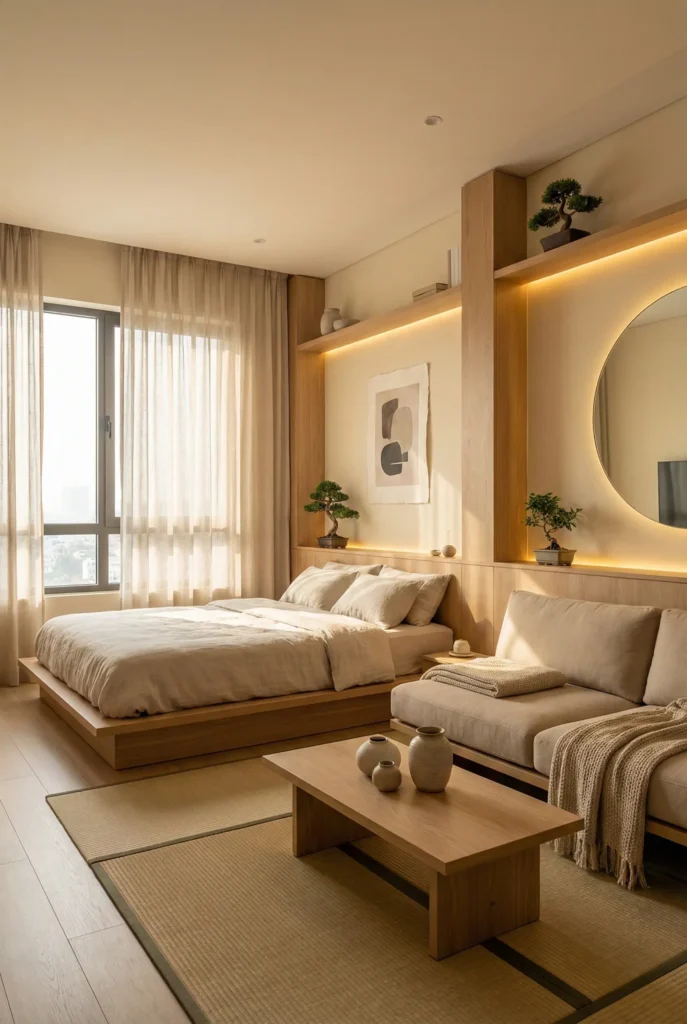
In some rooms the bed works better in a corner because it frees up an entire wall for storage. In others placing the bed under a window creates a bright airy reading spot that would otherwise go to waste. Studio apartment bedrooms often benefit from the bed being tucked into an alcove created by tall shelving units on either side creating a sleeping nook that feels separate from the rest of the room even without physical walls.
The height of your bed frame matters too. Low platform beds make ceilings appear higher and rooms feel more expansive because they reduce the visual mass at eye level. High beds on the other hand create the opportunity to use the space underneath for storage which we will get to shortly.
Under-Bed Storage — The Most Overlooked Zone in Any Bedroom
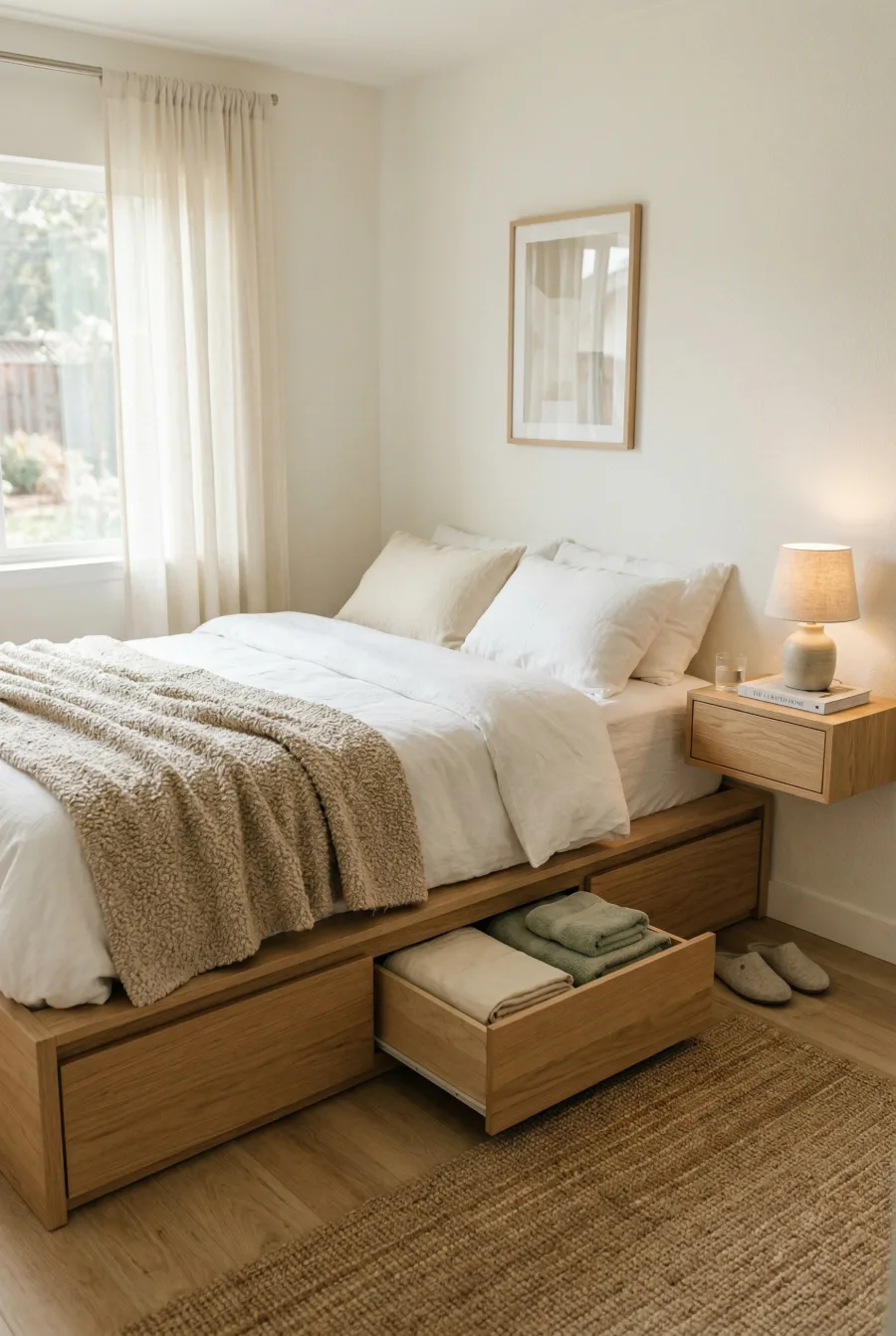
The area beneath your bed is potentially the largest storage zone in your entire bedroom and most people use it for nothing or for random items they have forgotten about. This is one of the most significant missed opportunities in small bedroom design.
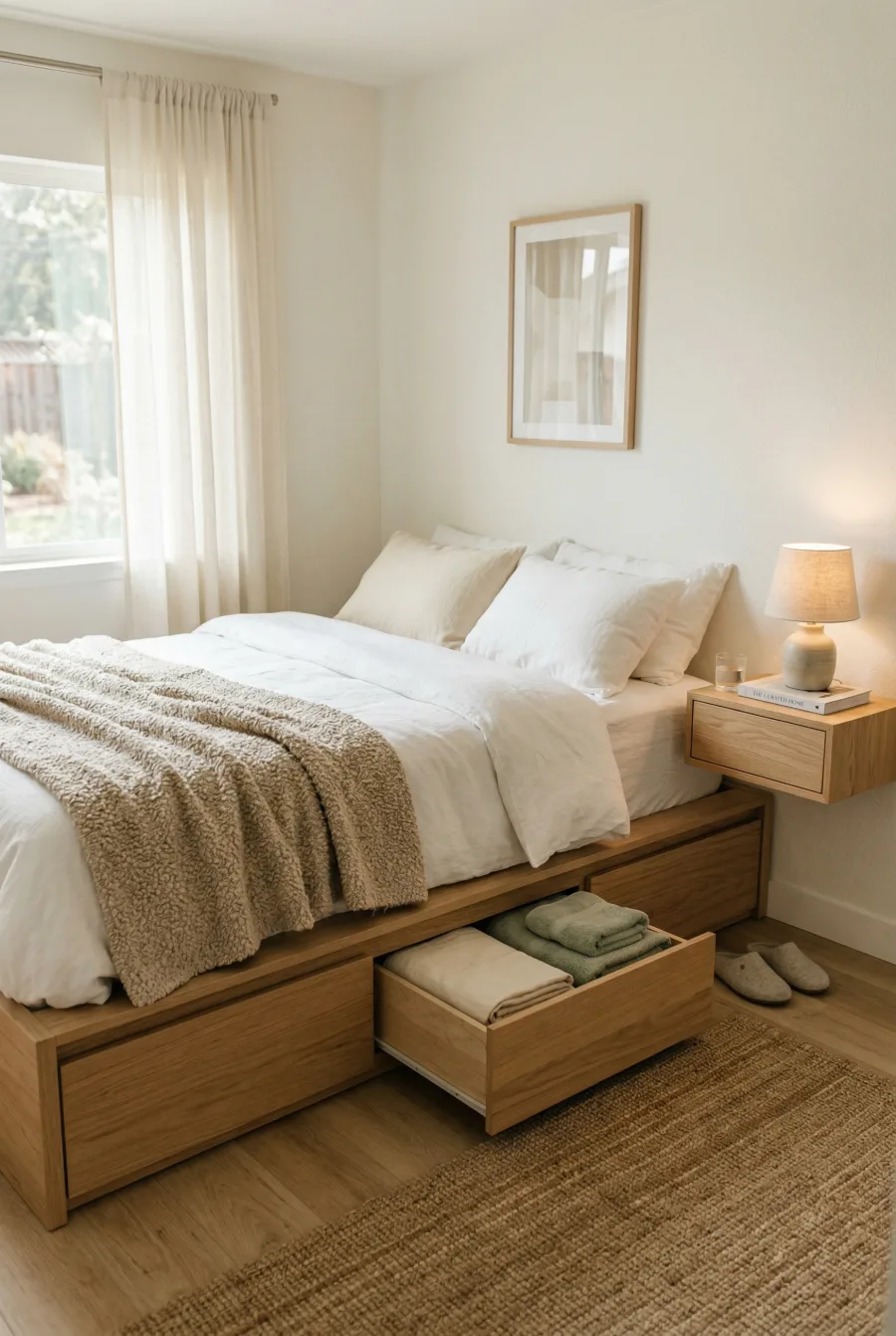
Platform beds with integrated pull-out drawers offer the most elegant solution. These built-in compartments are designed to store flat items like extra bedding blankets seasonal clothing and even shoes. Because the drawers are part of the bed frame they look intentional and clean rather than like an afterthought.
Rolling storage bins and fabric containers designed specifically for under-bed use are a more affordable alternative. Look for ones that slide smoothly on your floor surface and have some kind of lid or cover to keep dust out. Dedicating different bins to different categories of items bedding in one swimwear and seasonal clothing in another makes finding things much faster.
If you have a high bed frame with exposed legs add a bed skirt or wrap the base of the frame in a fabric panel that hides whatever storage is underneath while maintaining a clean finished look.
Floor-to-Ceiling Wardrobes — Vertical Space is Free Space
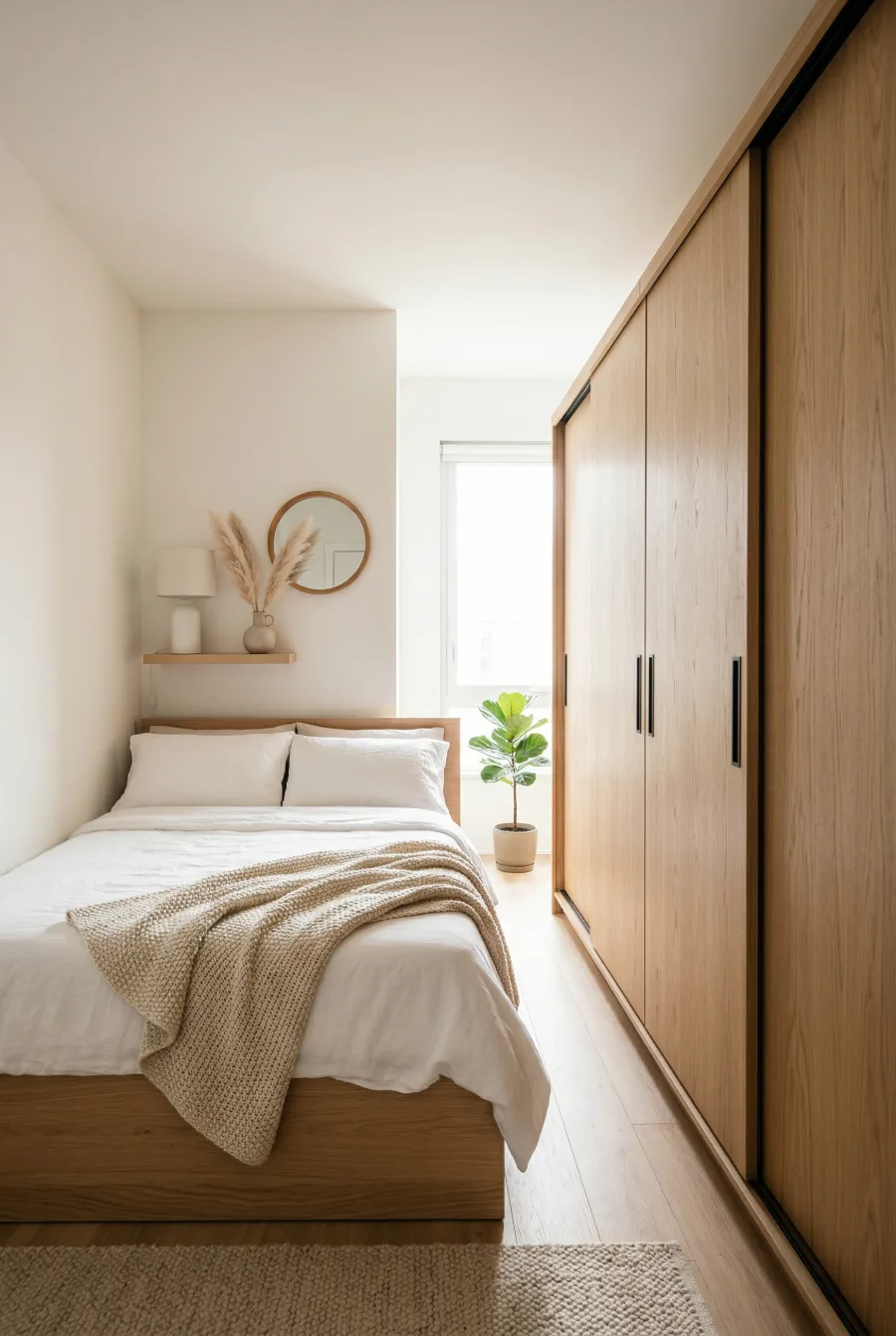
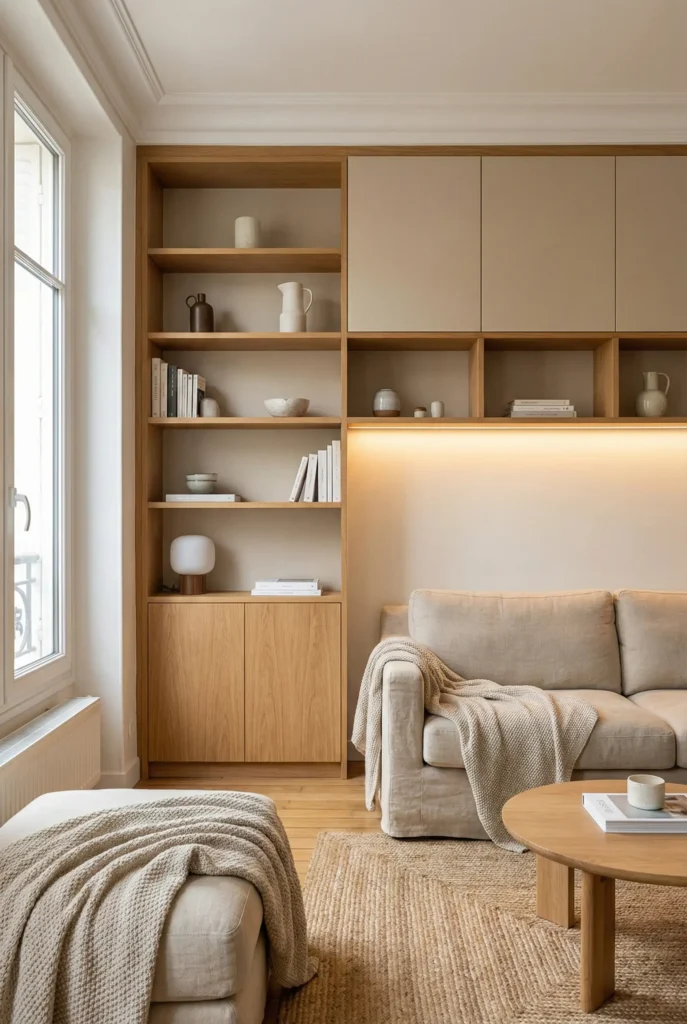
Most standard wardrobes in small bedrooms stop well short of the ceiling leaving a foot or more of dead space above. This gap is visually messy and wasteful. A floor-to-ceiling wardrobe system eliminates that gap and uses every inch of vertical space while also making ceilings appear taller because the eye follows the vertical line all the way up.
Built-in floor-to-ceiling wardrobes look the most custom and polished but even freestanding wardrobe systems can extend to the ceiling if you add upper cabinets or storage boxes on top. Paint the wardrobe the same color as the walls and it will appear to recede making the room feel larger rather than more crowded.
Sliding doors rather than hinged doors save precious floor clearance. In a small bedroom a hinged wardrobe door swings into the room and temporarily blocks movement through the space. Sliding doors eliminate this problem completely.
Floating Nightstands — Small Change Big Impact
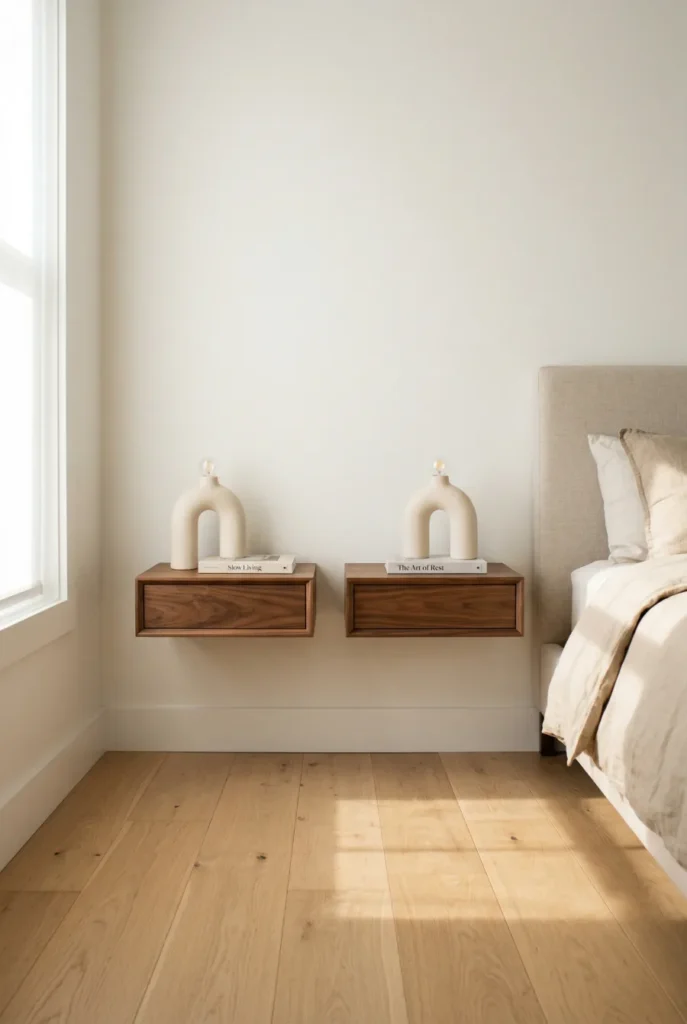
Replacing traditional bedside tables with wall-mounted floating nightstands is one of the simplest swaps you can make in a small bedroom and one of the most impactful. A regular bedside table sits on the floor and its legs create visual clutter and reduce the sense of space. A floating nightstand appears to hover giving you all the surface area you need while keeping the floor completely open.
The psychological effect of seeing more floor is significant. Even if the actual floor area has not changed seeing it makes the room feel larger and easier to move through. Combined with the practical benefit of easier floor cleaning floating nightstands are an easy win in any small bedroom.
Choose a floating nightstand with at least one small drawer for storing phone chargers reading glasses or other small items you want accessible at night without leaving them on display.
Mirrors — Visual Space at Zero Cost
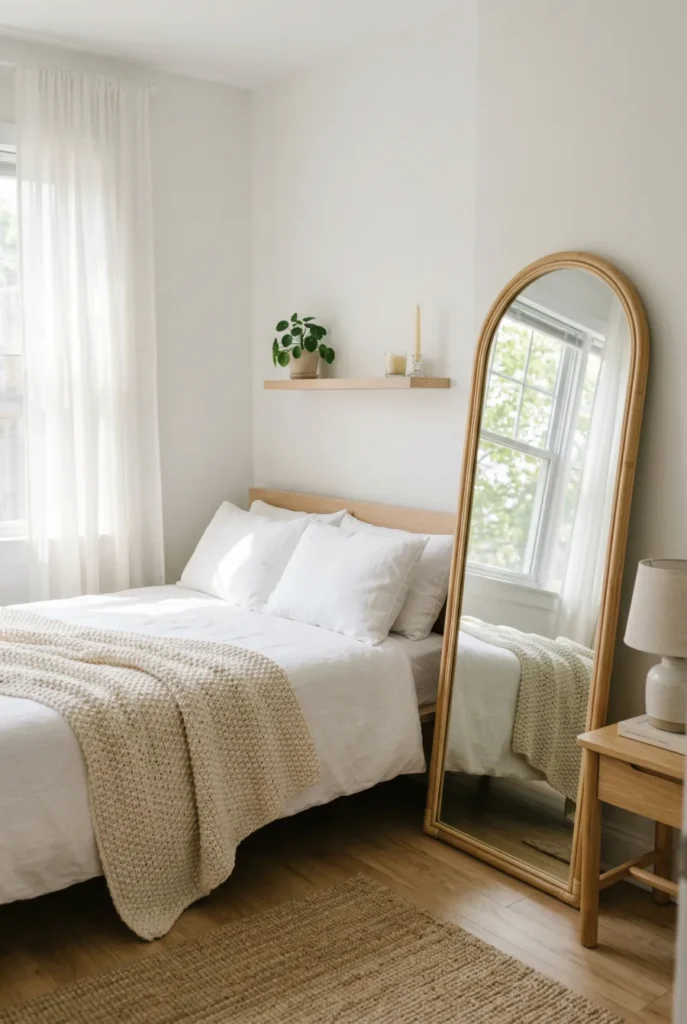
A large mirror placed opposite or adjacent to a window reflects both natural and artificial light around the room and creates the illusion of depth that adds perceived square footage to the space. This is one of the most powerful visual tricks available in small bedroom design and it costs nothing more than the mirror itself.
A full-length mirror or an oversized wall mirror in a natural wood or rattan frame leaned against the wall beside the bed adds warmth while doubling the apparent width of the room. Mirrored wardrobe sliding doors accomplish two goals at once they conceal storage behind clean panels and they expand the room visually at the same time.
Lighting Layers — The Final Ingredient
Small bedrooms often rely on a single overhead ceiling light that creates flat unflattering illumination and makes the room feel like a box. Layering different light sources creates depth and dimension that makes any space feel more dynamic and inviting.
Wall-mounted sconces on either side of the bed eliminate the need for table lamps on your floating nightstands freeing up surface space while providing excellent reading light. A soft LED strip behind the headboard creates ambient backlighting that adds a hotel-like quality to the space without requiring any major installation.
If natural light is limited use warm-toned bulbs in the 2700K to 3000K range which create a golden welcoming light that makes small rooms feel cozy rather than cramped.
Color — Set the Tone Before You Add a Single Piece of Furniture
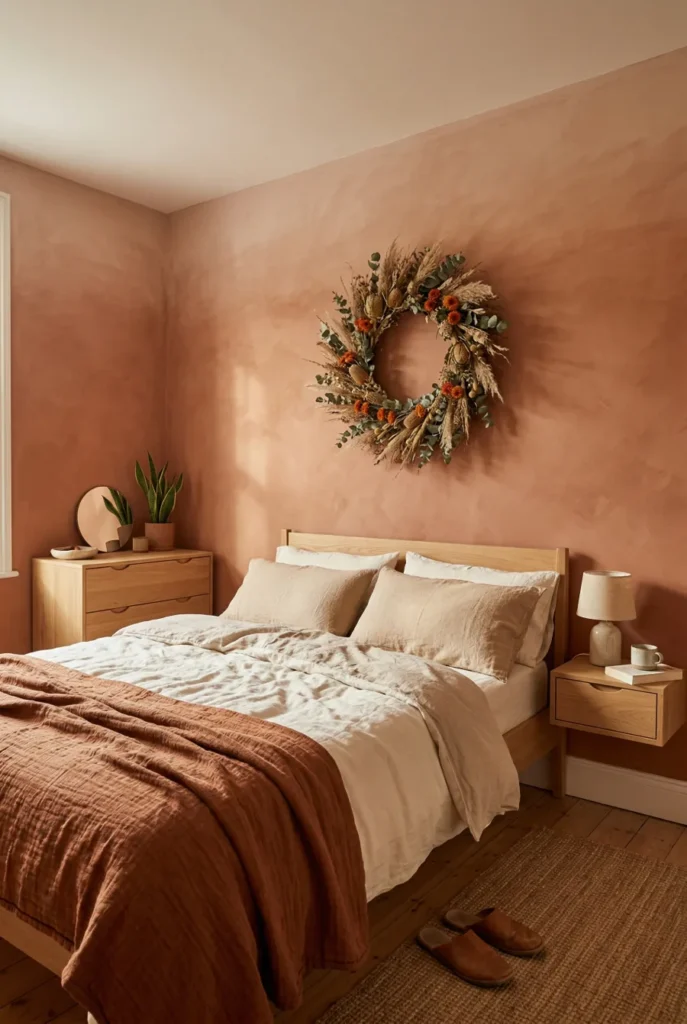
Color choice in a small bedroom determines how the space feels before any furniture is even considered. Light warm neutrals — cream ivory warm white soft greige make walls appear to recede and the room feel airier. They also bounce light around the room in a way that darker colors cannot.
This does not mean small bedrooms must be all white. Warm terracotta tones clay and dusty rose add beautiful depth and personality while still feeling expansive because they are light enough to reflect light. Sage green works beautifully in small bedrooms because it is simultaneously calming and grounding.
Whatever color you choose on the walls consider painting the ceiling the same color or a slightly lighter tint of it. Breaking the visual connection between wall and ceiling by using different colors actually makes rooms feel smaller whereas continuing one color upward makes the room feel taller.
Shop This Look
Storage solutions for your small bedroom:
Under-Bed Storage Bags
Reclaim the space under your bed for seasonal items and bedding
Over-Door Shoe Organizer
Hang on any door to store shoes, accessories, or small items
Wall-Mounted Floating Nightstand
Saves floor space while keeping essentials within reach
*This post contains affiliate links. If you make a purchase, I may earn a small commission — at no extra cost to you.